Role of Male Fertility Evaluation in Treatment Planning

Infertility is often perceived as a predominantly female issue. However, clinical data consistently shows that male factors contribute to nearly 40–50% of infertility cases, either independently or in combination with female factors.

A comprehensive male fertility evaluation is not optional—it is foundational to designing an effective, time-efficient, and cost-conscious fertility treatment plan.

This article explains why male assessment matters, what tests are involved, and how results directly influence decisions such as IUI, IVF, or ICSI.


Why Male Fertility Assessment Is Critical

Delaying male evaluation can:

  • Prolong treatment timelines
  • Increase unnecessary medication exposure for the female partner
  • Lead to repeated failed cycles
  • Escalate overall treatment costs

In structured fertility protocols, male testing is typically recommended early in the diagnostic phase.


Primary Male Fertility Tests

1. Semen Analysis

This is the cornerstone investigation and is commonly referred to as a Semen Test for Fertility. It evaluates the overall health and reproductive potential of sperm by assessing:

  • Sperm count (concentration)
  • Motility (movement quality)
  • Morphology (shape and structure)
  • Semen volume
  • Liquefaction time

Abnormal findings may indicate:

  • Oligospermia (low sperm count)
  • Asthenozoospermia (poor motility)
  • Teratozoospermia (abnormal morphology)
  • Azoospermia (absence of sperm)

Each condition requires a different therapeutic strategy.


2. Hormonal Profile

Blood tests may include:

  • Testosterone
  • FSH (Follicle Stimulating Hormone)
  • LH (Luteinizing Hormone)
  • Prolactin

Hormonal imbalances can impair sperm production and may require medical correction before ART (Assisted Reproductive Techniques).


3. Scrotal Ultrasound

This helps detect:

  • Varicocele (enlarged scrotal veins)
  • Structural abnormalities
  • Testicular pathology

Varicocele repair, when indicated, can improve sperm parameters in select patients.


4. Advanced Sperm Function Tests

In cases of repeated IVF failure or unexplained infertility, advanced tests may be advised:

These are particularly important in severe male factor cases.


How Male Evaluation Shapes Treatment Planning

The findings from male testing directly influence the choice of fertility treatment.

Scenario 1: Mild Abnormalities

If sperm count and motility are mildly reduced:

  • Lifestyle modifications
  • Antioxidant therapy
  • Timed intercourse or IUI

may be sufficient.


Scenario 2: Moderate Male Factor

When sperm motility or morphology is significantly compromised:

  • IVF may be recommended
  • ICSI (Intracytoplasmic Sperm Injection) is often preferred

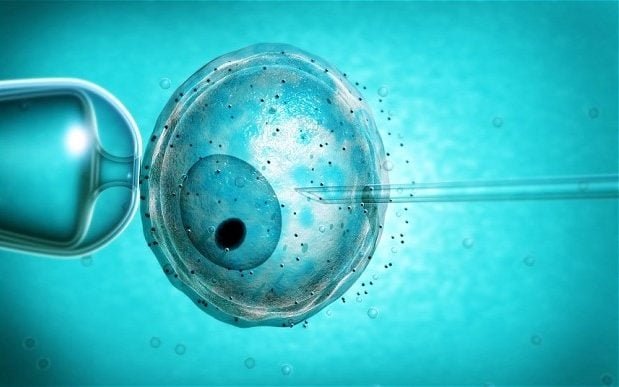
ICSI Treatment For Male fertility allows a single healthy sperm to be injected directly into the egg, bypassing natural fertilization barriers.


Scenario 3: Severe Male Factor / Azoospermia

If no sperm is found in ejaculate:

In some cases, donor sperm may be discussed depending on diagnosis and couple preference.


Common Causes of Male Infertility

  • Varicocele
  • Hormonal disorders
  • Infections
  • Genetic abnormalities
  • Lifestyle factors (smoking, obesity, alcohol)
  • Chronic stress
  • Environmental toxin exposure

Addressing modifiable risk factors can significantly improve outcomes.


Psychological Impact and Counseling

Male infertility can cause emotional distress, stigma, and performance anxiety. A structured evaluation:

  • Reduces uncertainty
  • Encourages shared responsibility
  • Improves treatment adherence
  • Strengthens couple collaboration

Modern fertility care emphasizes a couple-centric approach rather than isolating one partner.


When Should Men Get Tested?

Evaluation is recommended if:

  • Pregnancy has not occurred after 12 months of regular unprotected intercourse
  • Female partner is over 35 and conception hasn’t occurred in 6 months
  • There is known medical or surgical history affecting fertility
  • There is history of testicular injury or undescended testes
  • Previous IVF/IUI cycles have failed

Early testing reduces unnecessary delays.


Role of Integrated Fertility Clinics

In comprehensive centers like Reviva IVF, male fertility assessment is integrated into initial consultations. This ensures:

  • Parallel evaluation of both partners
  • Evidence-based decision-making
  • Personalized treatment protocols
  • Cost optimization by avoiding ineffective cycles

Key Takeaways

  • Male factors contribute to nearly half of infertility cases.
  • Semen analysis is the first-line diagnostic tool.
  • Advanced testing may be required in complex cases.
  • Treatment choice (IUI vs IVF vs ICSI) depends heavily on sperm parameters.
  • Early evaluation improves success rates and reduces financial burden.

REVIVA IVF FERTILITY CLINIC– IVF Centre in Chandigarh & Patiala

REVIVA IVF FERTILITY CLINIC– IVF Centre in Chandigarh & Patiala

Introduction

Often left helpless, many couples struggling with infertility have to rely on fertility clinics.

REVIVA IVF and Fertility Clinic in Chandigarh, has gained some notable demand for advanced fertility treatments. As a result, it starts to emerge as breeding grounds for hope. Here’s why REVIVA is to be considered the best IVF center in CHD & what drives couples to invest their hope in this establishment.

Intracytoplasmic Sperm Injecton (ICSI)

Understanding Fertility Challenges:

Facing problems related to infertility can be tough and draining experience for couples. Their emotional & physical well-being is equally affected by financial aspects. REVIVA IVF and fertility Clinic is known to provide state of the art solutions to fertility.

State – Of – The – Art – Infrastructure

REVIVA is known for its modern infrastructure designed with the latest technological achievements in mind. The advanced laboratories and state of the art operation theaters utilized ensures patients & high quality standards in care. Expert team of specialists. REVIVA exceptional team of fertility specialists and support staff furthered to be clinics way success.

Its headed by experience doctors with a solid name in the reproductive medicine field offering personalized care and unique treatments as a response to patient’s needs.

Comprehensive Range of Services:

Reviva IVF and fertility Clinic offers the following services.

Fertility preservation offered:

We consider a holistic approach when providing fertility treatments at our clinic. So to make the procedures work, we consider all health factors and offer the best for successful results.

We aim to increase the chances of proper conception & growth.

Patients centric care:

All efforts at REVIVA IVF & fertility Clinic are designed to ensure the comfort and peace of patients. They receive the best support & care from our professionals from the consultation period to the time they come for follow services. The clinic offers nurturing environments to ensure that couples can feel comfortable and optimistic since fertility cases are demanding, couples can face the challenges with hope and motivation.

Success Rate & Testimonials

The overall success rate for rate. Indicating that the center REVIVA has been high success provides the best fertility care. Specifically, the clinic record for assisted reproduction states that we follow the best procedures that have helped numerous couples to achieve their desired family size. Couple served well share
testimonials on our website for others.

Accessibility & Affordability

Our REVIVA IVF & fertility Clinic is highly accessible to all patients from the city & its surroundings. Additionally, the Clinic serve to make fertility treatments affordable to all members of society through various IVF plans & packages.

FINAL THOUGHT

In conclusion, there is a light at the end of this difficult situation for couples suffering from infertility. REVIVA IVF & fertility clinic is right place to the right support & much needed solution to the problems of infertility. Given, its excellent infrastructure top class team of specialists, rich experience & focus on patient perspective. REVIVA is no doubt the best IVF center in CHD. & PATIALA. Rest assured, when you be embarking on the journey to parenthood, REVIVA will with you all the way. REVIVA IVF and fertility Clinic in CHD are committed to providing high Quality, high success infertility care. Start your way to parenthood Now.

REVIVA IVF & Fertility Clinic is led by best fertility doctor in Chandigarh, Dr.Sandeep Cheema Sohi , along with the team of specialists who have years of experience and expertise in treating fertility. There are 4 most important steps we conduct in follicular monitoring:
• Preparation
• Ultrasound Exam
• Follicle Count & Measurement
• Blood Test

Why Choose REVIVA?

  1. Expertise and personalized care:
    Tailored treatment plans by trusted specialists for optimal success rates.
  2. Cutting-Edge Technology & Proven Success:
    Advanced techniques & facilities with proven exceptional fertility outcomes.
  3. Comprehensive fertility services:
    Full range of services including IVF, IUI & Egg Freezing.
  4. Emotional Support and Accessibility:
    Empathetic Counselling, flexible scheduling and comprehensive support throughout treatment.

Fallopian Tubes  &  Fertility 

fallopian tubes

Your fallopian tubes play a vital role in the fertilization process necessary to become pregnant. These tubes are where the egg & sperm meet & the egg is fertilized.

The egg then travels through the fallopian tube, into the uterus to implant & grow into a baby.

So, lets address some questions are in one go:-

Can I get pregnant with only one working fallopian tube
tubes cause

There are few options if you want to get pregnant after libel ligation.

pregnant after

Fertility with no fallopian tubes :-

There have been cases where women without these tubes are looking to become pregnant.
A women may have had her fallopian tubes removed for various reasons including:-
Why REVIVA Fertility & IVF Clinic

REVIVA Fertility & IVF Clinic is home to Chandigarh’s renowned fertility specialists. We custom-design fertility treatments for the individual to increase the chances of a successful pregnancy.

Our specialists believe in putting the patient first and being with them through every step of the fertility journey. Our team is well-versed in helping women of all ages reach their fertility goals. We are passionate about educating & supporting our patients throughout their journey.

Call us at 9915004407 or schedule your initial consultation today.

Recurrent Implantation Failure (RIF)

Recurrent Implantation Failure (RIF)

Recurrent Implantation Failure


Recurrent implantation failure refers to the inability of embryos to implant into the uterine lining after repeated attempts at ART like IVF. Despite transferring healthy embryos, they fail to attach to the uterus and initiate a pregnancy.

Who Can Get Recurrent Implantation Failure?

RIF can affect individuals or couples undergoing ART, partially IVF, it can occur in cases where the underlying cause remains unidentified.

Types of RIF:-

Early RIF: In this, the embryo fail to implant shortly after being transferred into the uterus.

Late RIF: In this type, when the embryos implant initially but result in early miscarriage or failed development soon after implantation.

Causes of RIF:-

  • Embryo related factors: Chromosomal Abnormalities (poor embryo quality).
  • Urine Factors: urine abnormalities or structural tissues – endometrial receptivity tissues, chronic endometriosis or infections.
  • Hormonal factors: Hormonal imbalances affecting the menstrual cycle-thyroid disorders or diabetes.
  • Lifestyle and environmental factors: Smoking or substance abuse –poor diet and nutrition – stress and excessive physical activity.

What are the Symptoms of RIF?

The symptoms of RIF can vary from person to person

However, there might be no specific symptoms & the primary indication is the inability to achieve a successful pregnancy despite multiple attempts at embryo transfer.

Who Can Get Recurrent Implantation Failure?

RIF can affect individuals or couples undergoing ART, partially IVF, it can occur in cases where the underlying cause remains unidentified.

How is Recurrent Implantation Failure Diagnosed?

No specific symptoms & the primary indication is the inability to achieve a successful pregnancy despite multiple attempts at embryo transfer.

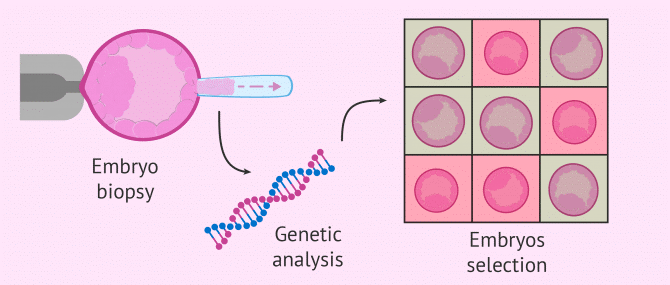
embryo biopsy

Treatment for RIF:

  • Improving Embryo Quality:

Optimizing the quality of embryos through advanced laboratory techniques.

  • Endometrial Receptivity Analysis:

Assessing the best time for embryo transfer based on the women’s menstrual cycle and hormonal profile.

  • Uterine preparation:

Administering hormonal medications to prepare the uterine lining for better embryo implantation.

  • Lifestyle changes:

Adopting healthy lifestyle changes, including a balanced diet, regular exercise and stress management.

Conclusion:

Recurrent implantation failure is a complex and challenging condition that affects individuals and couples seeking to expand their families through ART. Understanding the various causes, symptoms, diagnosis & treatment options is crucial in effectively.

Endometriosis & Fertility: 3 Reasons for Women to have Hope

Endometriosis
If you want to get pregnant and you are diagnosed with endometriosis, you might assume that all hope is lost. With the right treatment, you might get pregnant more easily than you think.

3 Reasons Not to Panic About Endometriosis:-

Endometriosis and Fertility

Reason 1

Reason 2

Reason 3

There are many treatments, depending on what’s right for you:

MACROSCOPIC

MICROSCOPIC

(Woman with macroscopic Disease may have lesions and scar tissue That can sometimes block the fallopian tube) This can make it difficult for an egg to make Its way into the uterus.(On the other hand women with endometriosis have completely normal but microscopic lesions. It may or ,may not affect fertility)

Conclusion

we have come quite a long way in understanding endometriosis how it offers fertility and how to treat it. Your chances of conceiving are better than they have ever been, so its worth looking into the many treatment options that are available.

Decoding The Signs of Bad Egg Quality – A Deep Dive into Fertility

Decoding The Signs of Bad Egg Quality – A Deep Dive into Fertility

About Reviva IVF Chandigarh

Understanding one's body is the first step to health & well-being. When it comes to fertility, being aware of the signs of egg quality is crucial.

Here's the Lowdown:

Though age is just a number, when it comes to fertility, it’s a wee bit more. Women above 35 often face challenges concerning egg quality.

Repeated Mis Carriage

Low FSH Reserves & AMH values

The Impact of Egg Quality on Fertility
Signs of Bad Egg Quality

Treatment of Bad Egg Quality

The world of medicine has made leaps and bounds. Depending on the diagnosis, treatments like IVF, ICSI & Egg donation.

Supplements & Vitamins Here’s some food for thought ( quite literally ) certain vitamins and supplements like Vitamin-D, and omega-3 Fatty acids can potentially improve egg quality.

Conclusion
While signs of bad egg quality can be distressing, remember, that knowledge is power. Armed with information and with the guidance of IVF clinics like REVIVA Fertility, you’re well on your path to understanding & optimizing your fertility journey.

How Alcohol & Smoking Affect Male Fertility?

How Alcohol & Smoking Affect Male Fertility?

When it comes to alcohol & male fertility and smoking & male fertility, a multitude of factors are complexly knit to determine one’s reproductive health. While enjoying a drink might be a part of a man’s social life, understanding its impact on male fertility is essential for those considering parenthood.
Alcohol and smoking have significant influence on sperm quality
(Converging & connecting a range of adverse effects)

Hormonal Imbalance: Prolonged alcohol consumption disrupts the delicate balance of hormones crucial for reproduction function.

Sperm Production: Excessive alcohol intake can diminish sperm production in testes. This decline in sperm quantity reduces the chances of fertilization.

Sperm Morphology: Alcohol induced oxidative stress can damage sperm DNA, altering their morphology & increasing the likelihood of genetic abnormalities in off springs.

Sperm Motility: Sperm requires optimal motility to navigate the female reproductive tract and reach the egg. Alcohol and smoking impair this ability reducing the chances of sperm successfully fertilizing the egg.

Erectile Dysfunction: The impact of alcohol and smoking on the nervous system can lead to erectile dysfunction.

Fertility Duration: Regular alcohol consumption can prolong the time it takes for a couple to conceive, increasing the duration of attempting pregnancy.

Seminal fluid composition : Alcohol and Smoking can alter the composition of seminal fluid , which provides essential nutrients to sperm . Changes in this composition can impact sperm function and viability.

The Correlation Between Alcohol & Male Fertility

Social alcohol consumption is widespread, yet its impact on sperm & male fertility varies based on the quantity & frequency of consumption. While moderate drinking may not significantly affect fertility, heavy & consistent alcohol can be determined.

Such drinking patterns can lead to the following:

Different-levels-affected-from-alcohol-and-smoking
How-alcohol-affect-male-fertility
Note Icon

It is crucial to recognize that individual factors, including genetics & overall health, can influence male fertility. Alcohol and male fertility are interlinked in many ways for those who are trying to conceive should be cautious about excessive drinking or binge drinking patterns.

Consulting our IVF expert can provide personalized guidance based on individual circumstances.

For more information & guidance contact REVIVA Fertility Clinic.

Things to Do to Improve Your Chances of IUI Success Rate

Things to Do to Improve Your Chances of IUI Success Rate

Every couple dreams of planning for their children & starting a new chapter of their life. Couples who are unable to conceive a child through the natural process opt for various methods from medical sciences, one of them is IUI (Intrauterine Insemination).

IUI success rate

Intrauterine Insemination is a fertility treatment in which the semen is washed from the male partner & transferred directly into the female partner’s uterus with the help of an IUI catheter. This method is used during the time of ovulation.

Who can have an IUI procedure?

Women with cervical & men with ejaculation dysfunction can go for this treatment. Some more indications can be:
High Success Rate for IUI Treatment

Although the success rate of IUI is 15-20% there are some things you can do to improve the chances of achieving a high success rate for IUI treatment. Here is what you can do:

Eat healthy:-

Eat Healthy for IUI Treatment
It is highly advisable to maintain a healthy & balanced diet after IUI treatment. Adding food like whole grains seeds, nuts & eggs to your diet can lead to successful fertilization.

Get in touch with your fertility expert:-

Meet the Fertility Expert IUI Success Rate
It is best to stay in constant touch with your fertility expert after the treatment. Our experts suggest to you the right way to achieve conception. You can get assistance from the beginning to the final stage of the treatments here.

Start Exercising:-

Exercising for IUI Treatment
Our experts advise that a little exercise is always suitable after the treatment of IUI. It also enhances the blood flow to the uterus and other reproductive organs.

Build & Maintain Positivity:

Maintain Positivity to Improve IUI success rate

It will be better for your health & body if you feel happy and positive in these times. Maintaining a positive attitude is a must during & after the process.

Maintain Healthy Sleep Pattern:-

Healthy Sleep to Improve IUI success rate

After the procedure, our IVF experts recommend you get at least 7-8 hours of sleep. It will not only help you to stay fresh but also improve your mental health and release your stress.

NOTE: When you opt for such an important artificial procedure, it is highly advisable to look after the do’s & don’ts of the things you can do afterward because this period is very crucial to getting successful results.

REVIVA fertility & IVF clinic takes care of everything for couples who can’t conceive & provides full assistance in the best IVF & IUI treatment in CHD.

Low Sperm Count – Causes And Treatment

Low Sperm Count – Causes And Treatment

Low sperm count is a common issue that affects a lot of men. It is a condition where the no. of sperm produced by the testicles is low and can result in infertility.

Men with less sperm count may struggle to conceive a child & start a family.
Low Sperm Count
It is treatable & there are several options available for men to improve their chances of having a child.

In this blog, we take a closer look at low sperm count & various treatment options that are available to help men overcome this condition.

CAUSES OF LOW SPERM COUNT

There are various factors which can contribute to low sperm count and some of common causes include:-
Low Sperm Count Causes

TREATMENT OPTIONS FOR LOW SPERM COUNT:-

There are several treatments available to increase the count, including:-

Medications:- There are various medications available that can help to improve sperm quality and increase count.

Lifestyle changes:- Making simple changes to your lifestyle such as reducing alcohol consumption, quitting smoking, reducing stress and eating a healthy diet can help to improve sperm count and motility.

If despite the above measures, sperm counts remain low, such men can still have a family by using the following assisted reproduction techniques (ART).

Assisted reproduction techniques

INTRAUTERINE INSEMINATON (IUI):-

This is a procedure where sperm is processed and then directly inserted into a women uterus to increase the chances of conception.

IN -VITRO FERTILIZATION (IVF):-

It is more advanced fertility treatment that involves fertilizing an egg with a sperm inside the laboratory and then transfer the resulting embryo in the women uterus.

INTRACYTOPLASMIC SPERM INJECTION (ICSI):-

It is a variation of IVF where a single sperm is injected into an egg. ICSI is often used for men with low sperm counts and poor sperm motility.

CONCLUSION:-

In conclusion, low sperm count is a common issue that affects many men. However, there are several treatments available that can help to improve the count quality and increase the chances of having a child. It is important to speak to a doctor about the best treatment option for you and to make any necessary lifestyle changes to improve your overall health & fertility.

Embryo Freezing (Vitrification)

Embryo Freezing (Vitrification)

Embryo Freezing
Embryo freezing (Vitrification) freezes and stores fertilized eggs for later use. It is often used with fertility treatments that create embryos, such as In vitro fertilization. It can help people preserve fertility and get pregnant in future.

What is embryo freezing?

A process to freeze and store embryos for later use. An embryo is an egg that has been fertilized by a sperm. The process is a way to help people with fertility and reproduction.

Why would you freeze an embryo?

Embryo freezing often occurs after people have treatments to try to get conceive. IVF & ICSI are those procedures which fertilizes the eggs with sperm and they sometimes create an extra embryos.

You may choose to freeze extra embryos and use them later if you want to:

  • Postpone or cancel embryo transfer after an egg is already fertilized.
  • Want to delay pregnancy.
  • Want an option in case early attempts at fertility treatment fails.
  • Embryo freezing is also used for fertility preservation in case of cancer patients before starting chemotherapy or radiation therapy as that treatment could affect their ability to get pregnant.

Does freezing damage embryos?

freezing
freezing

Freezing can damage embryos, and thawing them later can also damage them. If multiple embryos are frozen, some may or may not survive the process.

Your doctor will guide you on whether your embryos are suitable for freezing, thawing and implantation.

Your doctor will also guide you during which embryonic stage it’s best to freeze one or more embryos. The stages where freezing is  possible include:

  1. Cleavage stage (day 3):- when a single cell has multiplied to between 4-8 cells after about 72 hours.
  2. Blastocyst stage (day 5):-When the single cell has multiplied to between 200-300 cells after 5-6 days.

Is frozen embryo transfer successful?

  • Frozen embryo transfer occurs when an embryo is thawed and implanted into a woman’s uterus, the process is often successful
  • But success rates vary widely based on many factors including both partner’s overall health & female age at the time of egg retrieval.
  • Presence of fertility issues such as endometriosis, fibroids and uterine polyps.
  • Previous success or failure of fertility treatment and pregnancies.

How are the embryos used to begin a pregnancy?

The process is called frozen embryo transfer or FET. To prepare for the embryo transfer , the prospective mother may receive estrogen pills or injections to build up the lining of the uterus , and then progesterone treatment to make the uterus receptive to the embryo.

Alternatively , In natural FET cycle a patient is monitored until ovulation occurs and the embryo is transferred into the uterus approximately 5 days after ovulation.

For more Queries , you can contact our fertility expert.